
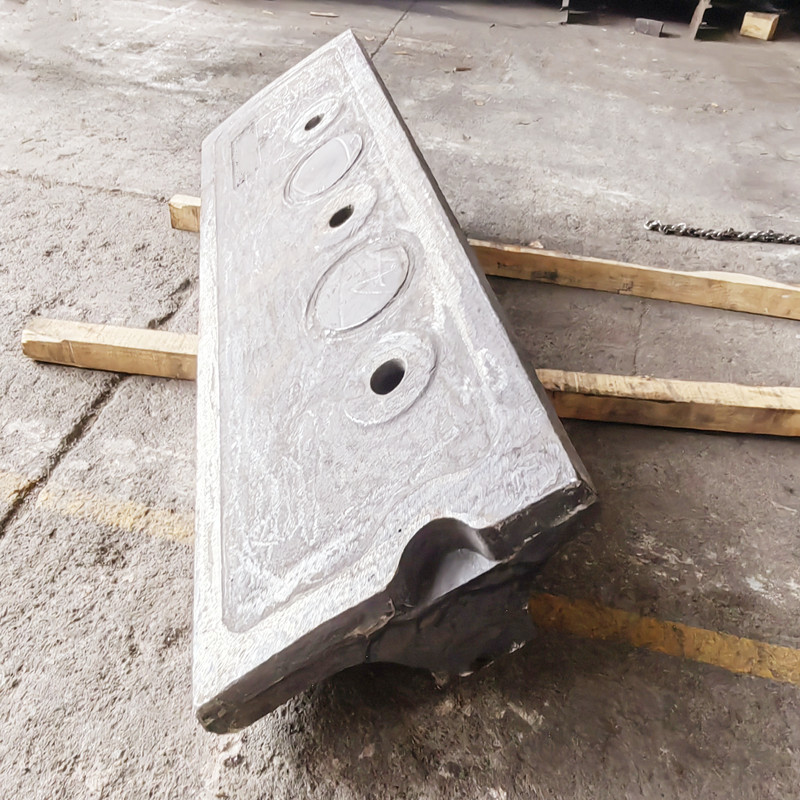
Rubber molding, a critical manufacturing process used extensively across various industries, continues to evolve with cutting-edge material technologies that significantly improve product lifespan and performance. Recent developments emphasize the integration of advanced alloys and specialized materials to address common challenges such as wear resistance and durability. A leading player in providing these innovative solutions is WUJING MACHINE, a company renowned for its comprehensive range of steel products and customized wearing solutions designed to extend the operational life of molding components.
### The Growing Importance of Rubber Molding
Rubber molding plays a vital role in the production of countless everyday and industrial items, from automotive parts and household goods to medical devices and electronics. The process involves shaping rubber materials into specific forms using molds that withstand high pressure and temperature conditions. However, the molds themselves, typically made from metal, face rigorous wear and tear, which can compromise product quality and production efficiency.
Durability and wear resistance of molds directly influence the molding process’s cost-effectiveness and output quality. When the mold degrades, the surface finish, dimensional accuracy, and overall integrity of molded rubber parts can deteriorate, leading to increased downtime and maintenance costs. This necessitates advancements in mold materials that can endure repetitive stress and harsh conditions, making the selection of superior alloys crucial.
### WUJING MACHINE’s Contribution to Mold Durability
WUJING MACHINE has emerged as a leader in offering high-performance materials tailored to meet these stringent demands. The company provides a wide array of steel grades, including standard manganese (Mn) steel, high-chromium (Hi-Cr) iron, alloy steel, and carbon steel. Each of these materials offers distinct advantages in terms of toughness, hardness, corrosion resistance, and machinability, allowing manufacturers to select an optimal base material depending on their specific application requirements.
What sets WUJING MACHINE apart, however, is its capability to deliver customized wearing solutions that significantly enhance mold life. These include advanced insertions such as Titanium Carbide (TiC), Ceramic, and Chromium (Cr)-inserted alloys. These materials exhibit exceptional wear resistance properties, helping molds better withstand the abrasive and erosive forces encountered during rubber molding operations.
### Benefits of Advanced Alloy Insertions
**Titanium Carbide (TiC)**: TiC is known for its extreme hardness and high melting point, making it an ideal candidate for inserts that face intense mechanical stress. When incorporated into mold surfaces, TiC enhances resistance to abrasion and deformation, reducing the frequency of mold repairs and replacements.
**Ceramic Inserts**: Ceramics offer excellent hardness and chemical stability, crucial for maintaining mold integrity under high-temperature molding processes. These inserts also provide superior resistance to corrosion and thermal shock, protecting the mold from crack propagation and surface degradation.
**Chromium (Cr) Inserted Alloys**: Chromium additions improve the overall hardness and oxidation resistance of the mold surface. The enhanced chromium presence forms a passive oxide layer, which acts as a barrier against corrosion and wear, further extending mold durability.
### Tailored Solutions for Varied Industrial Applications
WUJING MACHINE’s expertise enables the customization of mold materials based on specific wear conditions and production parameters. For example, automotive rubber components that require high precision and durability may benefit from Hi-Cr iron molds with TiC inserts, optimizing balance between toughness and wear resistance. In contrast, molds for chemical or medical rubber products might utilize ceramic-enhanced alloys for improved chemical inertness and temperature stability.
This tailored approach ensures that manufacturers can lower their overall operational costs by minimizing mold downtime and enhancing product quality. The strategic application of these advanced materials also contributes to sustainability, reducing waste generated from premature mold failures.
### Industry Implications and Future Outlook
The integration of WUJING MACHINE’s specialized materials into rubber molding molds reflects a broader industry trend towards adopting engineered materials for enhanced manufacturing efficiency. As rubber products become increasingly complex and performance-driven, the demand for molds that sustain high production volumes without compromise will grow.
Moreover, advances in material science and metallurgical engineering will likely introduce new composites and coatings that further push the boundaries of mold longevity and performance. Companies like WUJING MACHINE, focusing on innovation and customization, are poised to spearhead these advancements.
### Conclusion
The rubber molding industry stands to gain significantly from the adoption of improved mold materials featuring advanced alloys and inserts. WUJING MACHINE’s comprehensive range of steel products combined with tailored wearing solutions—such as TiC, ceramic, and chromium inserted alloys—provides manufacturers with the tools to enhance mold durability, reduce maintenance, and improve product quality.
As production demands escalate and competition intensifies, investing in high-performance molding components becomes essential. Through continued innovation and material optimization, rubber molding will achieve new levels of manufacturing excellence, benefiting industries and consumers alike.