
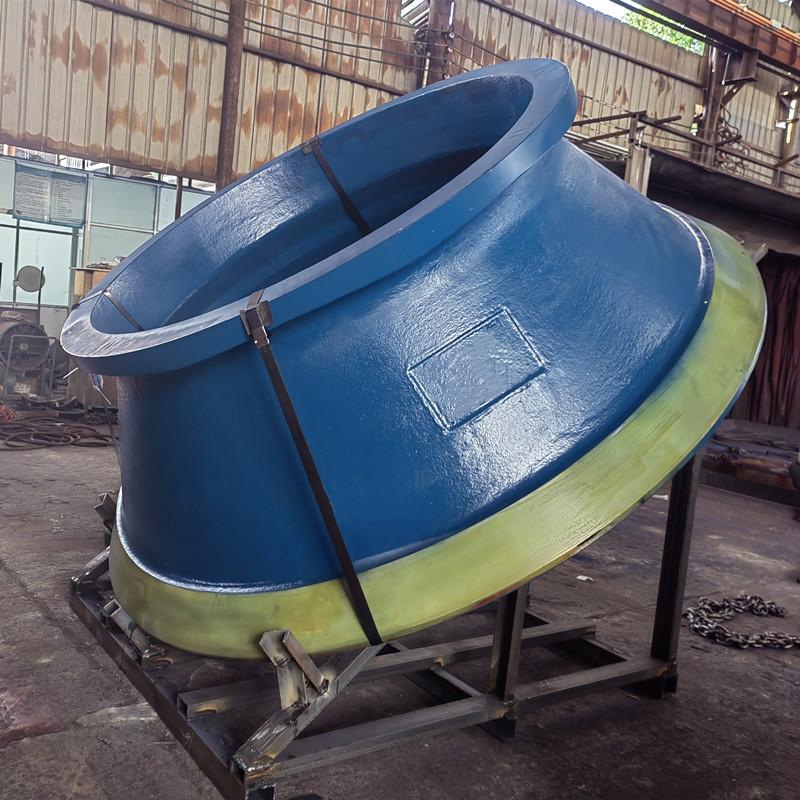
In the evolving field of heavy machinery components, particularly those used in crushing and mining industries, the demand for high-performance, durable materials is ever increasing. Recently, a leading jaw plate manufacturer has made significant strides by integrating advanced material technologies and customized solutions aimed at extending the lifespan and reliability of their products. This development marks a crucial step forward in addressing the challenges of wear resistance and operational efficiency faced by the industry.
### Advancing Jaw Plate Performance with Diverse Materials
The jaw plate factory, known for its commitment to quality and innovation, has been leveraging a broad spectrum of materials to meet varied customer needs. By combining traditional materials such as manganese steel (Mn Steel), high-chromium iron (Hi‐Cr Iron), alloy steel, and carbon steel with specially tailored high-performance alloys, the company has positioned itself at the forefront of the industry.
Among these materials, manganese steel remains a standard due to its excellent toughness and ability to work-harden during use, making it ideal for heavy-duty crushing applications. High-chromium iron offers superior hardness and wear resistance, making it suitable for abrasive environments. Alloy and carbon steels provide flexibility in mechanical properties and cost-effectiveness, serving a wide range of operational conditions.
### Tailored Wearing Solutions for Longer Life Span
Beyond conventionally used materials, to address the increasing need for enhanced durability and reduced maintenance, the company offers customized wearing solutions designed for longer life spans. These advanced solutions include materials embedded with Titanium Carbide (TiC), ceramics, and chromium (Cr) inserts.
Titanium Carbide insertions significantly improve wear resistance due to TiC's extreme hardness and chemical stability. This feature is particularly beneficial for crushing applications where abrasive wear is pronounced. Ceramic insert technologies enhance the overall durability while maintaining a lighter weight, contributing to better energy efficiency and easier handling.
Chromium-inserted alloys combine the toughness of base metals with the hardness of Cr particles, effectively resisting impact and wear simultaneously. Such composite materials extend service intervals and lower operational costs, which are vital factors for heavy machinery operators in mining and construction sectors.
### Innovation Driving Industry Standards
By integrating these materials and technologies into their manufacturing processes, the factory demonstrates a clear commitment to innovation and customer-centric development. The use of customized alloys tailored to specific operational environments ensures optimal performance and cost-efficiency for clients. This approach not only improves the functional life of jaw plates but also enhances machine productivity and reliability on-site.
The factory’s capability to provide standard as well as tailored solutions exemplifies adaptability in a competitive market. It addresses the urgent demand for equipment that can withstand harsh working conditions, reduce downtime, and maximize return on investment — all critical considerations for industries reliant on crushing and screening equipment.
### Impact on Mining and Construction Industries
The advancements in jaw plate materials directly impact the mining and construction industries by improving the operational efficiency of crushers and related machinery. Higher wear resistance translates to fewer replacements and less frequent maintenance, reducing the total cost of ownership.
Additionally, machines equipped with these advanced jaw plates maintain consistent crushing performance over prolonged periods, enhancing output quality and throughput. For mining operations, this means more reliable processing of ores and minerals, while construction companies benefit from durable machinery capable of handling a wide range of materials with minimal interruptions.
### Commitment to Sustainable and Cost-Effective Solutions
Sustainability and cost savings remain at the core of this manufacturing approach. By extending the lifespan of jaw plates, the factory reduces the demand for raw materials and energy consumption associated with frequent replacements. This contributes to less waste generation and lowers the environmental footprint of heavy industry operations.
Furthermore, longer-lasting wear parts minimize operational disruptions, allowing businesses to allocate resources more efficiently and focus on strategic growth rather than maintenance challenges.
### Looking Ahead: Future Prospects
With ongoing research in materials science and metallurgy, the factory aims to continue innovating and refining its product portfolio. Future developments may include enhanced composites, nanomaterial coatings, and other smart wear protection solutions tailored to emerging industrial requirements.
Collaboration with research institutions and industry partners will likely foster the integration of cutting-edge technologies, reinforcing the factory’s position as a leader in high-quality, durable jaw plates.
### Conclusion
The jaw plate manufacturing sector is witnessing a transformative period driven by material innovation and customized engineering solutions. By utilizing standard high-performance materials like Mn Steel and Hi-Cr Iron alongside advanced tailor-made alloys including TiC, ceramic, and chromium inserts, the factory provides products that significantly enhance durability and operational efficiency.
These advancements not only meet the immediate needs of crushing and mining industries but also pave the way for more sustainable and cost-effective heavy machinery solutions. As the demand for robust and long-lasting equipment grows globally, such pioneering efforts will continue to play a pivotal role in advancing industrial productivity and sustainability.